



Everyday Wellness Get Moving
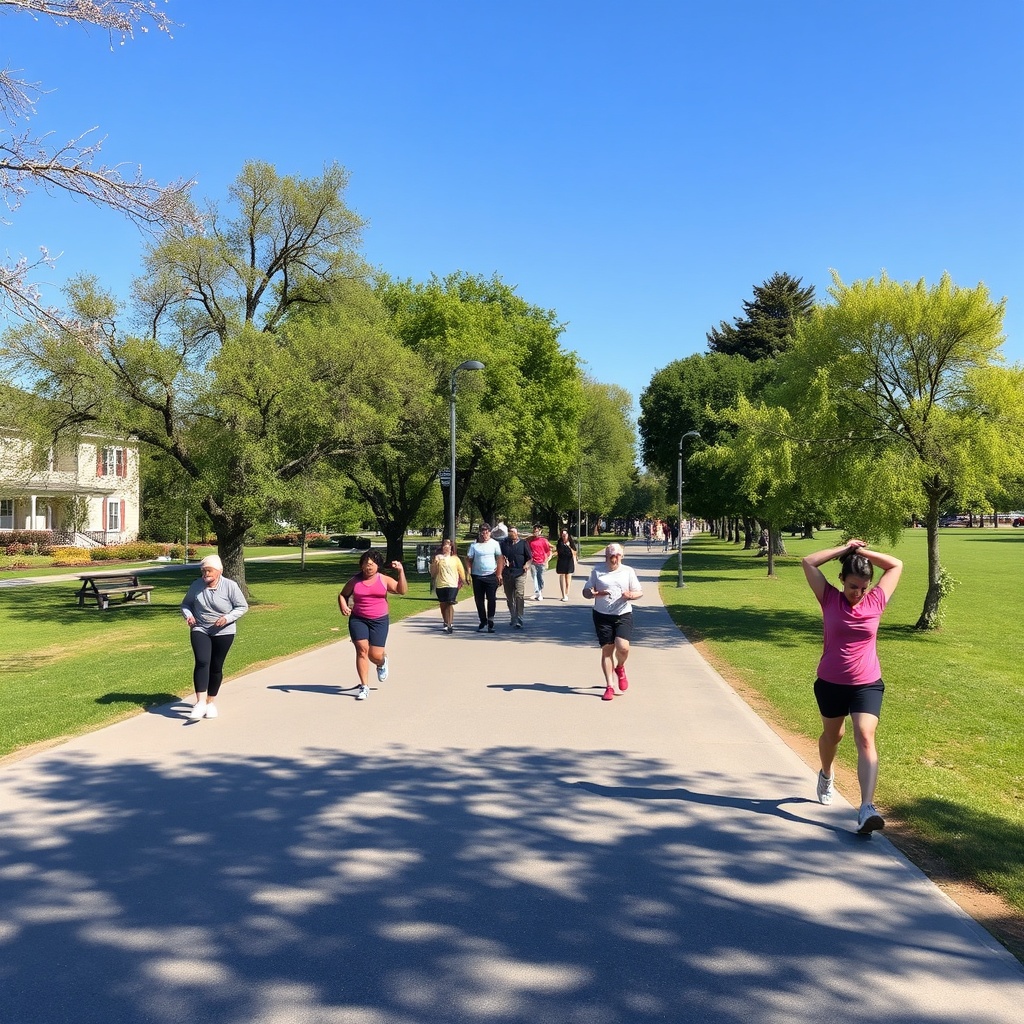
Community park with people walking, jogging, and stretching
Woman stretching on a yoga mat indoors
Man doing dumbbell strength exercises at home
People cycling on a bike path
Salad, whole-grain bread, and water bottle representing healthy nutrition

Everyday Health & Physical Activity

Practical guidance for maintaining general health through regular physical activity, balanced nutrition, adequate sleep, and stress management. Small, consistent habits—like daily walking, a few strength sessions each week, and mindful rest—support long-term well-being. Always consult a healthcare professional before starting a new exercise or nutrition program.

Quick Health Snapshot

Simple targets to support overall well‑being

150 min / week
Moderate aerobic activity (minimum recommendation)
2–3 sessions / week
Strength training for major muscle groups
7–9 hours
Sleep for most adults to aid recovery

Health & Activity

Move More, Live Better

Physical activity is a simple, effective way to support overall health. Regular movement boosts cardiovascular fitness, strengthens muscles, improves mood and sleep, and helps maintain mobility across the lifespan. Small, consistent steps add up—find activities you enjoy and make them part of your routine.

These are general recommendations. If you have a chronic condition, recent surgery, or specific health concerns, consult a healthcare professional before starting a new exercise program. Individual needs and limits vary.

Everyday Health & Physical Activity

Simple, practical habits to boost your fitness, energy, and overall well-being.

Stay Active Daily

Aim for at least 30 minutes of moderate activity most days—brisk walking, cycling, or stair climbing. Break activity into shorter sessions if needed and include strength and mobility exercises two times a week to improve posture and function.

Eat with Purpose

Focus on whole foods like vegetables, fruits, lean proteins, whole grains, and healthy fats. Stay hydrated and plan balanced meals to support energy and recovery without relying on extreme diets or quick fixes.

Prioritize Sleep & Recovery

Consistent sleep (about 7–9 hours for most adults) helps recovery, mood, and performance. Build a calming bedtime routine, limit screens before bed, and allow rest days after intense workouts.

Support Mental Well-being

Physical activity supports mental health—combine exercise with stress-reducing habits like deep breathing, social connection, and time outdoors. Set realistic goals, track progress, and celebrate small wins.